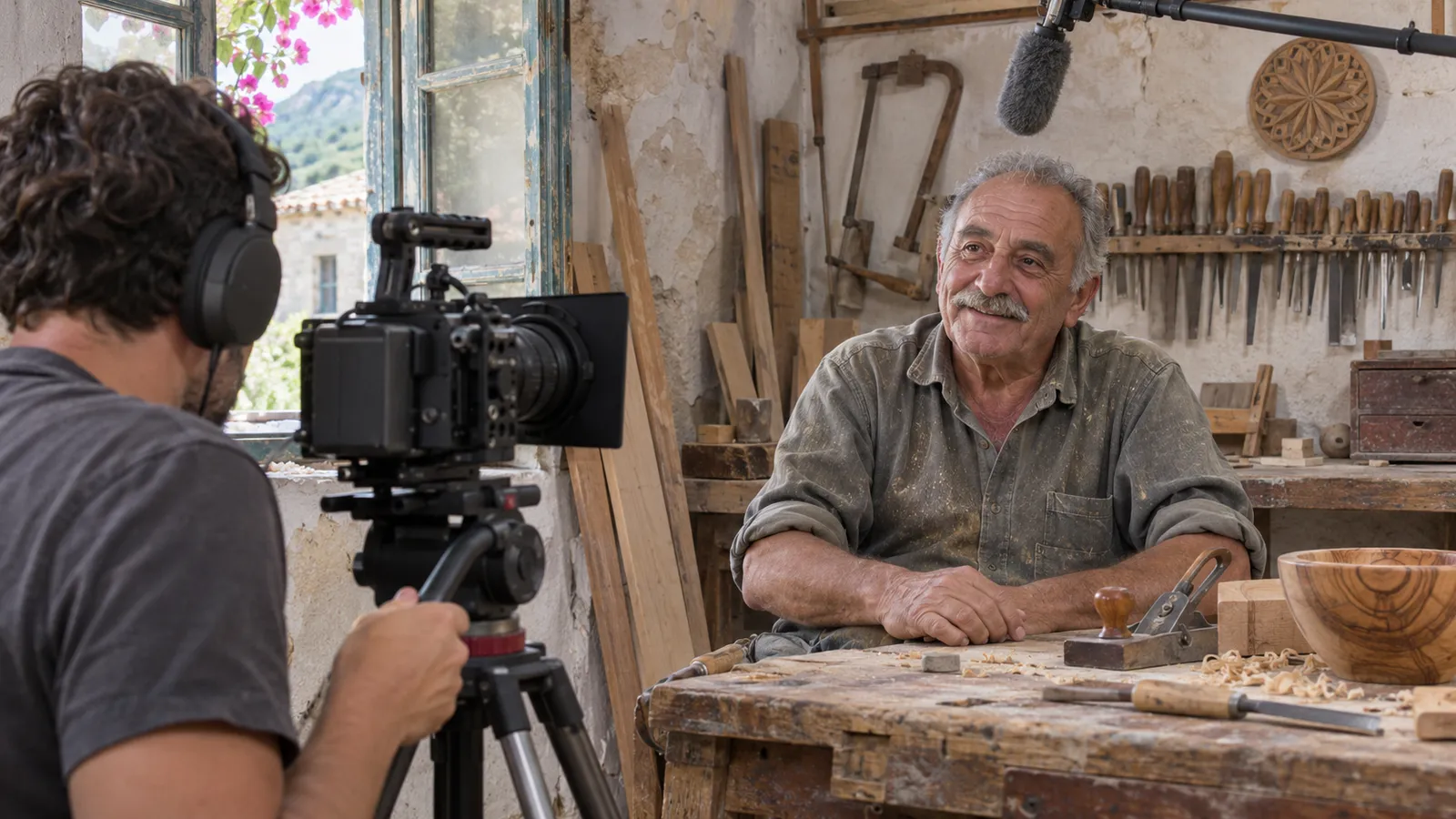
Sitting in front of a camera can change the way someone speaks. Sentences become longer, formal expressions appear and the speaker starts searching for an answer that sounds suitable for filming. Preparation should help them explain what they know through concrete examples and their own way of speaking.
Agree on the subject and purpose
Before filming, explain who the video is for, what you will discuss and where it will appear. The speaker should understand why they are participating and which topics matter. Discuss any subjects they cannot or prefer not to address.
Sharing topics can help someone check information and recall events. Memorising complete answers can make delivery sound rehearsed. Some projects, such as a precise expert statement, need carefully reviewed wording. Agree on the appropriate flexibility for that content.
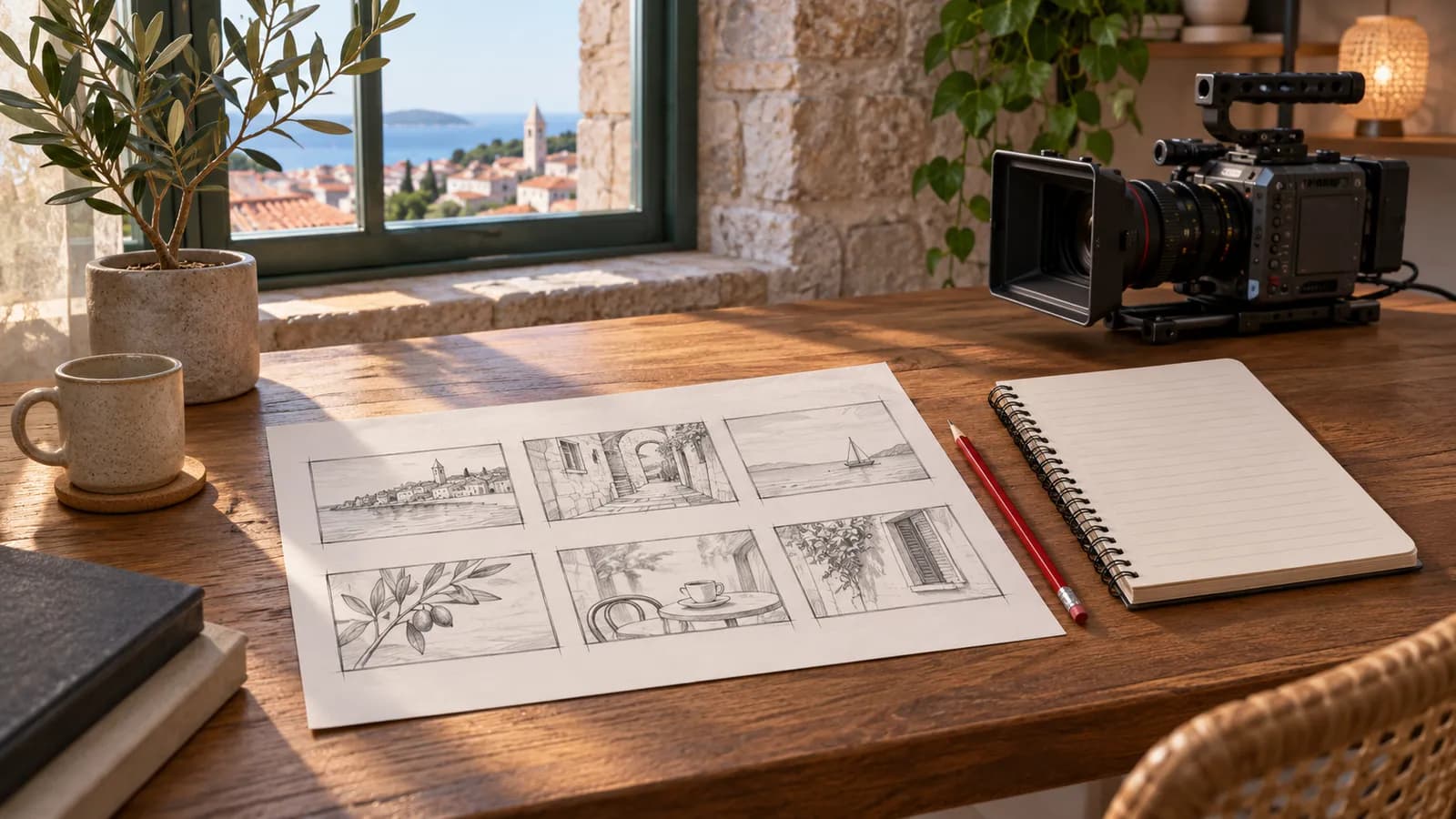
Use the video brief to establish the objective and audience. Then adapt the interview plan to someone who can speak about the subject directly.
Ask one question at a time
A clear question makes a clear answer easier. Asking how a project started, what its biggest problem was and what it achieved in the same sentence leaves the speaker to decide which part to prioritise.
Start with one topic and follow up. In a fictional interview about renovating a space, you could ask what it looked like before work began. After the answer, ask what needed to change and why.
Open questions invite explanation. Short follow-ups can help, including “What happened next?” and “Can you give an example?” KU Leuven recommends clear, open-ended questions. A specific fact check may need a short answer. The choice depends on what you are trying to establish.
Ask for a concrete example
General statements rarely give viewers much to remember. “It was challenging” can be a starting point. The next question should help the audience understand what that meant.
Ask what the person found, which decision they had to make or what changed afterwards. Look for details they can confirm. If they cannot recall a fact, leave room to check it later.
In a promotional film, take care that a desired impression does not become a suggested answer. The person should be able to describe their experience and its limits.
Listening is part of the recording
Let the speaker finish. Following up too quickly may interrupt an important thought. A short pause sometimes gives them room to add a more specific detail.
You can show support through eye contact and nodding. Spoken responses can overlap an answer and make clean audio harder to extract. Museums Victoria recommends supportive interviewing and silent responses while the speaker answers.
Pauses also carry meaning. Explore this in our article about why ambience and silence matter to a story.
Explain eye lines and self-contained answers
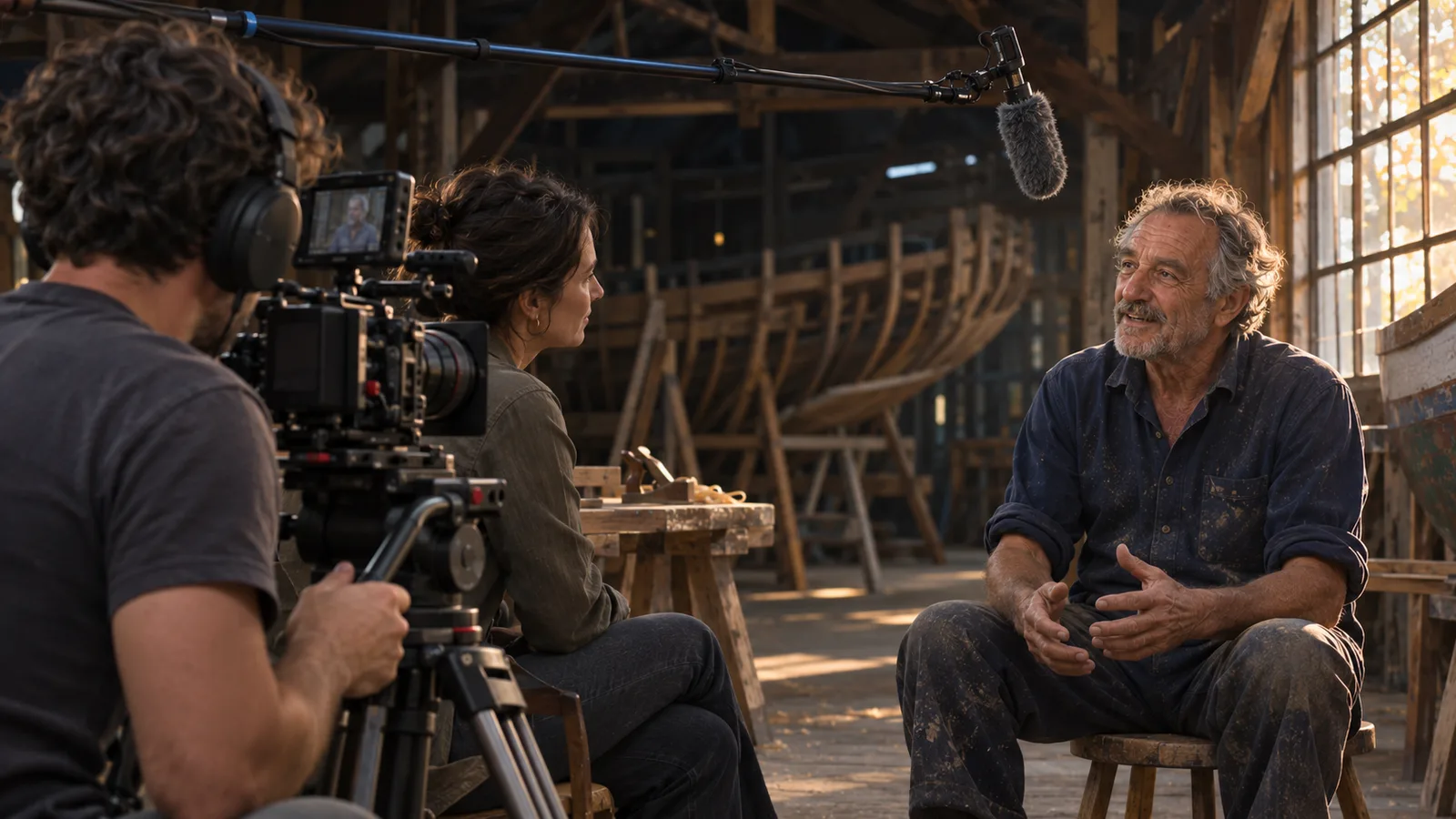
Before starting, explain whether the person should address an interviewer beside the camera or speak directly to the viewer. In a conventional interview, looking at the interviewer can help sustain a conversational feel. Looking into the lens suits a format designed around direct address.
If questions will be removed from the final edit, answers need enough context to stand alone. Instead of “Three months”, the speaker could say “Preparing the project took three months”. Explain the principle briefly and request another version when necessary.
Prepare the space before the speaker arrives
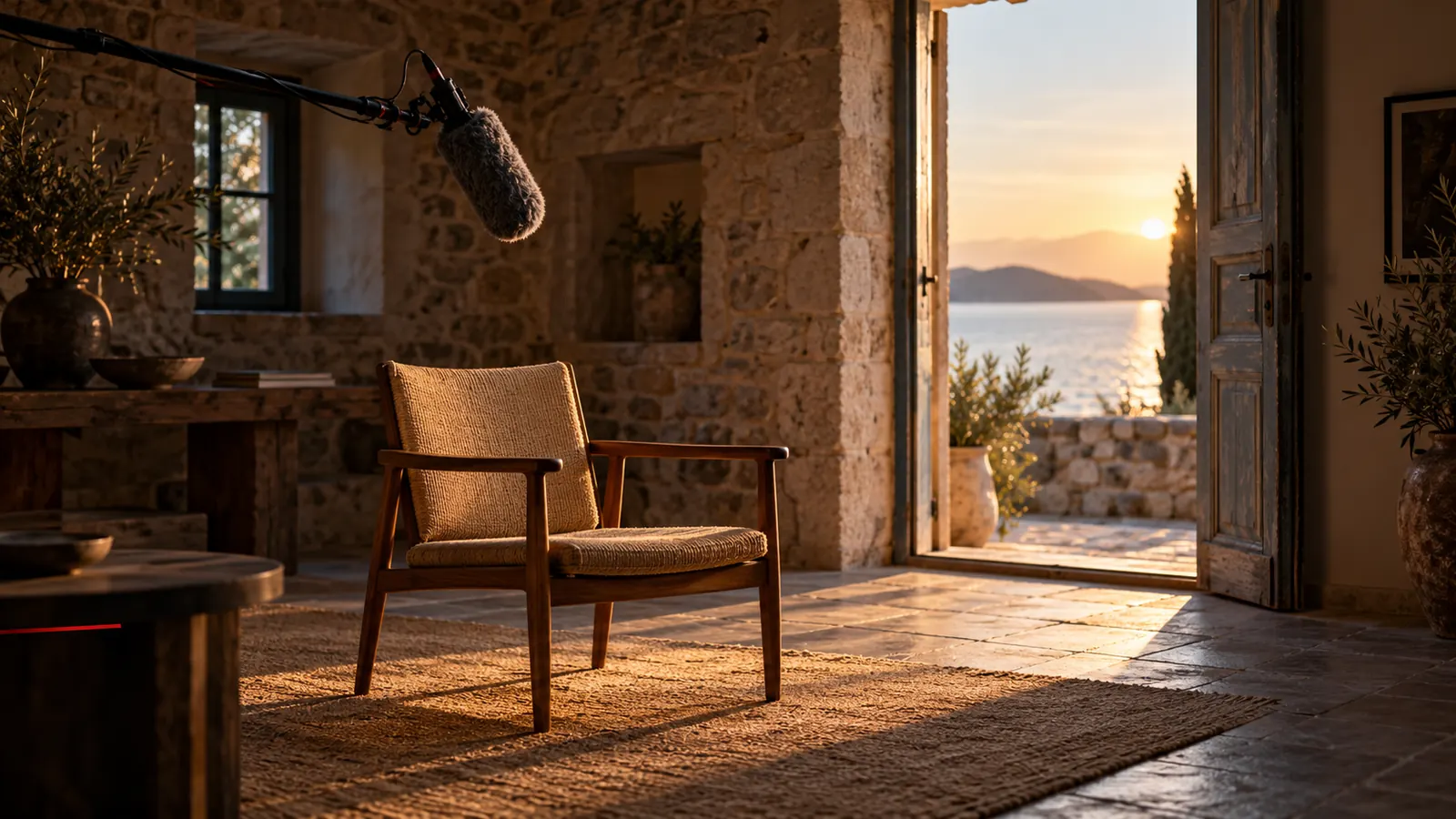
Check background noise, microphone placement and lighting. A short test recording can reveal clothing rustle, ventilation noise or changes in speaking level. A first-time participant may feel more comfortable knowing when the conversation starts and that they can pause.
Allow enough time for questions and a short break. When an answer needs repeating, explain the specific reason. The person can then understand whether a fact needs clarifying or there was a technical issue.
Preserve meaning in the edit
A naturally spoken sentence can be untidy and still accurately convey an experience. When shortening an answer, check that its meaning survives. A qualification, time reference or reason in the following sentence may be essential.
B-roll can support the subject and help connect sections. Review what it shows and how it relates to the statement. Our article on AI editing and the value of a real moment explores that distinction.
For the first conversation, establish the objective, a few themes and the questions that need answering. During filming, leave room for a good answer to change the planned order.
Preparing an interview for a business or documentary video? Send us the subject and project outline so we can discuss the filming approach.