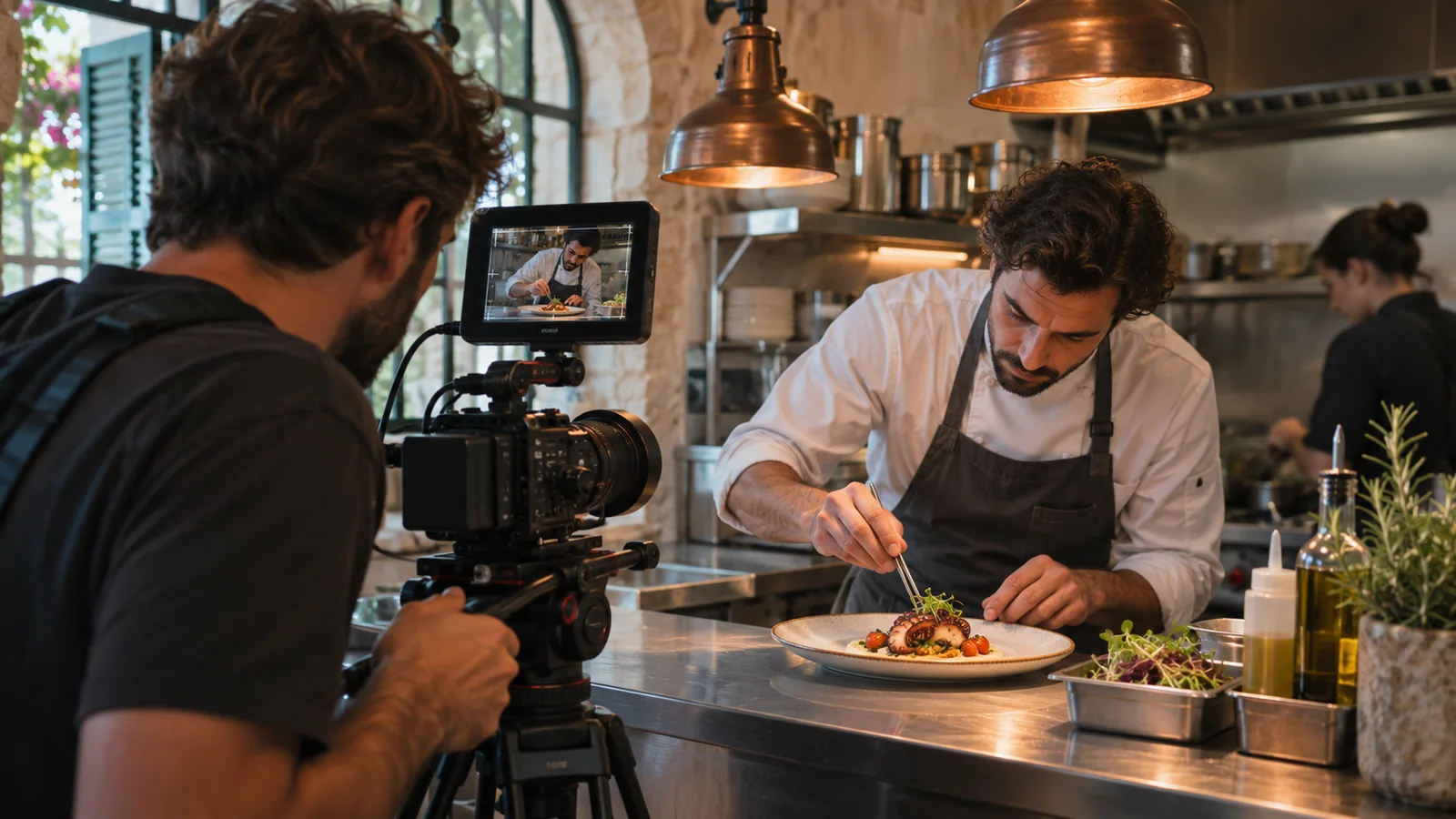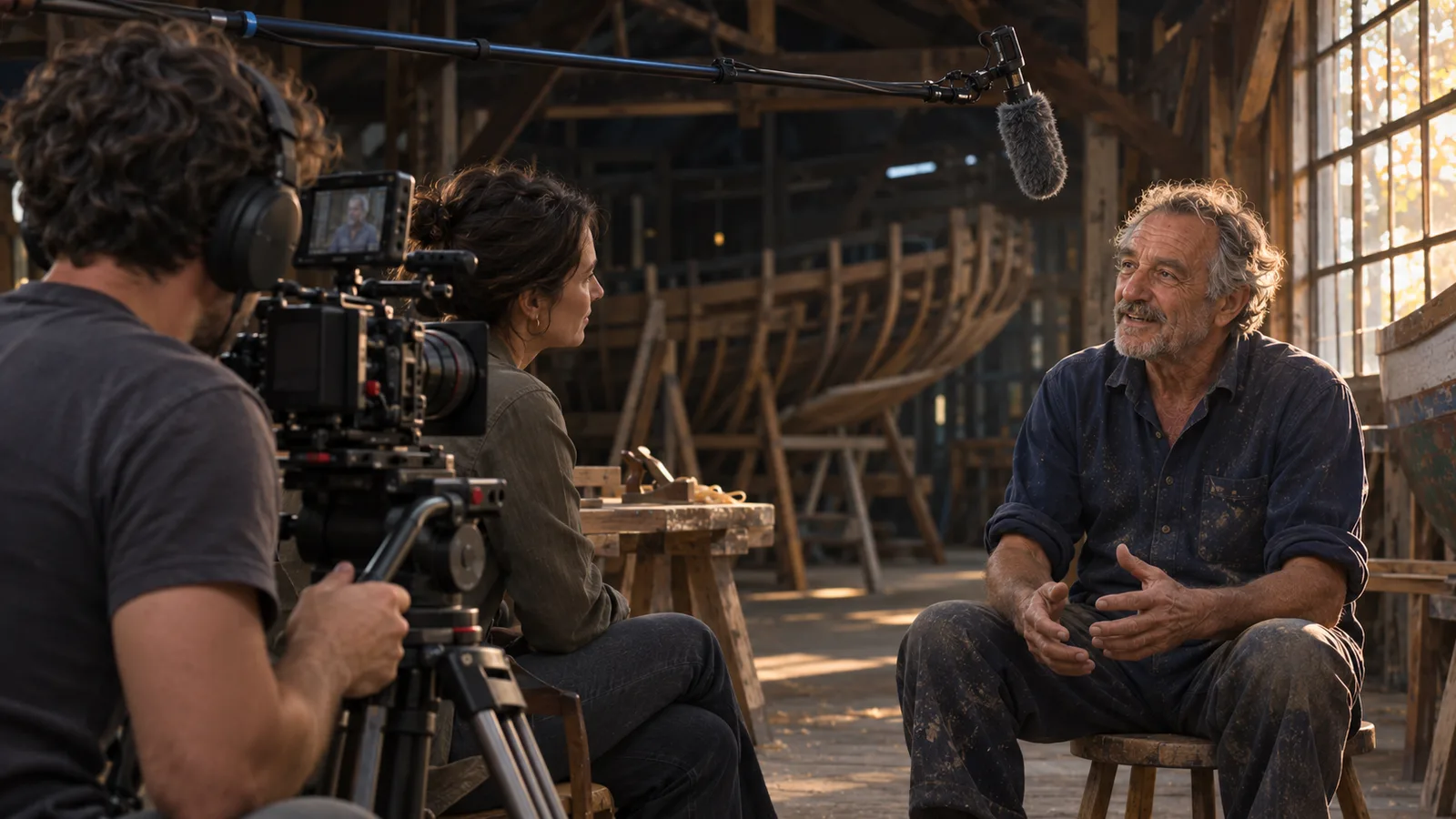
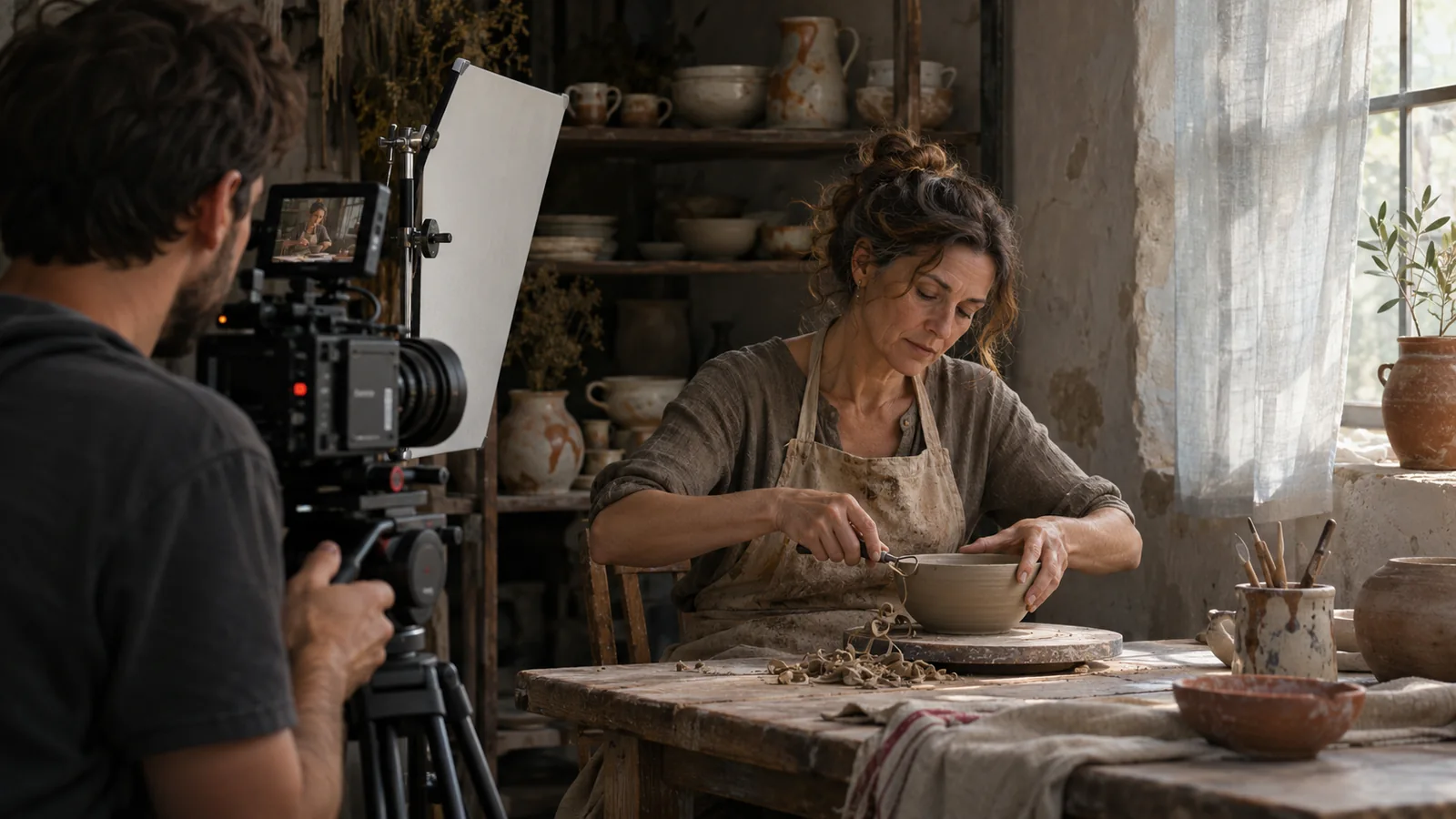
The workshop looks excellent. Window light brings out the wood grain, a face, and the movement of hands. A few shots later, the sun emerges from behind a cloud. The same room suddenly looks different, and shots meant to form one sequence no longer connect so easily.
Filming with natural light needs planning, just as a shoot with lighting equipment does. Check the light’s direction and variability, the relationship between the subject and background, and the time needed to cover the action. Additional lighting can help maintain consistency while preserving the atmosphere of the location.
Natural light can be soft or very hard
A large window can provide attractive side light. Direct sun through the same window can create sharp shadows and bright areas on a face or work surface. “There is plenty of daylight” does not tell the crew enough to plan the shoot.
ARRI’s lighting handbook distinguishes hard and soft light through their shadow characteristics. Diffusion material or a large white bounce surface can soften light. The choice depends on the intended look.
A gentle transition between the lit and shaded sides of a face often suits a quiet conversation. Harder light may reveal a material’s texture in an expressive detail shot. Connect the decision to the content and check it in a test recording.
Visit the location at the intended filming time
A room that looks suitable during a morning visit may have different conditions in the afternoon. Check where direct sunlight falls, which surfaces create reflections, and whether a curtain or a different position can help control the light.
Record the time of the visit alongside location photographs and the expected shoot duration. If a visit is not possible, a short video of the space at the intended time can support preparation. It cannot fully replace an on-site assessment, but it provides more context than an undated photograph.
Include practical constraints in the video brief: the participant’s availability, permission to move furniture, and any work continuing at the location. An attractive corner is useful only if the planned filming can actually take place there.
Assess the subject and background together
A face may look good while a bright window draws attention away from it. An interesting background may leave the hands and the object in shadow. Review the whole frame rather than one element in isolation.
Moving the person, table, or camera position can sometimes solve more than adding another light. The University of Illinois filming guidelines recommend large windows without direct sun and careful handling of bright windows in the background.
That is a useful starting point rather than a compulsory composition. A window can remain in the frame when the lighting relationship is intentional. For a conversation, check what happens as the speaker leans, turns, or demonstrates an object. The starting position should allow natural movement.
Changes in light become obvious when shots are joined
Imagine filming a ceramic artist finishing a bowl. This is a planning example, not a description of a particular client project. A wider shot shows the face in soft light. While the crew films a detail, direct sun reaches the table. Each shot may look attractive individually, but their cut reveals the difference.
Continuity means that shots belonging to the same action convincingly feel like parts of one sequence. For lighting, review direction, shadows, and the balance of bright and dark areas. Everything need not match perfectly, but changes should make sense within the story.
It can help to capture connected shots while conditions remain similar. If the light changes abruptly, decide whether to wait briefly, adjust the setup, or repeat a related shot. Those decisions are easier when the crew understands why each shot and cut matters.
Daylight and room lights can produce different colours
Window light and existing lamps can give faces, clothes, and walls different colour casts. Sony’s white balance guide explains how the setting compensates for the colour of the light source. A manually chosen setting can support repeatability under unchanged conditions.
A fixed white balance does not prevent lighting from changing. Check again when daylight shifts or someone moves under another source. With mixed lighting, consider which sources should stay on and how they affect the important area of the frame.
A warm lamp in the background can support the atmosphere. Its effect becomes a problem when it gives the face or product an unwanted colour. Make a deliberate choice about the colours that serve the content.
When is additional lighting useful?
Additional lighting can help when a consistent look must be maintained for longer, or when the subject needs clearer separation from the background. It can support the direction of the existing daylight. The viewer need not notice its presence.
Sometimes a white surface returning light into a shadow is enough. Other situations call for softer light or reduced glare. The appropriate solution depends on the space, action, and available time.
For a longer on-camera interview, agree on a setup that gives the speaker room to move. They should be able to talk without repeated interruptions caused by small changes in position.
What can post-production improve?
Colour work can bring shots closer together, adjust contrast, and shape the final look. Its scope depends on the recorded material. If an important detail was not captured in a clipped highlight, simply lowering brightness will not recover it.
The same practical consideration applies to a moving shadow crossing a face or object. Post-production may soften some differences, but complex changes take additional work and do not always deliver the desired result. A test recording and comparison of related shots can reveal problems while the setup is still available.
Before confirming the schedule, check four things: when the light suits the content, how long conditions are likely to last, which shots must connect, and the fallback plan for changing weather. If you are planning a location shoot, send us photographs of the space and an outline schedule. That provides a useful starting point for discussing coverage and lighting.